
ChatGPT is no longer just a productivity tool.
It is becoming a major discovery platform for websites, SaaS products, ecommerce stores, and digital businesses.
Users now ask ChatGPT questions like:
• “Best reporting dashboard for agencies”
• “Top ecommerce analytics tools”
• “Best AI reporting platform”
• “Marketing reporting alternatives”
• “Best SaaS analytics software”
And when ChatGPT recommends your content, product, or website, it can drive highly targeted visitors directly to your business.
But here is the problem:
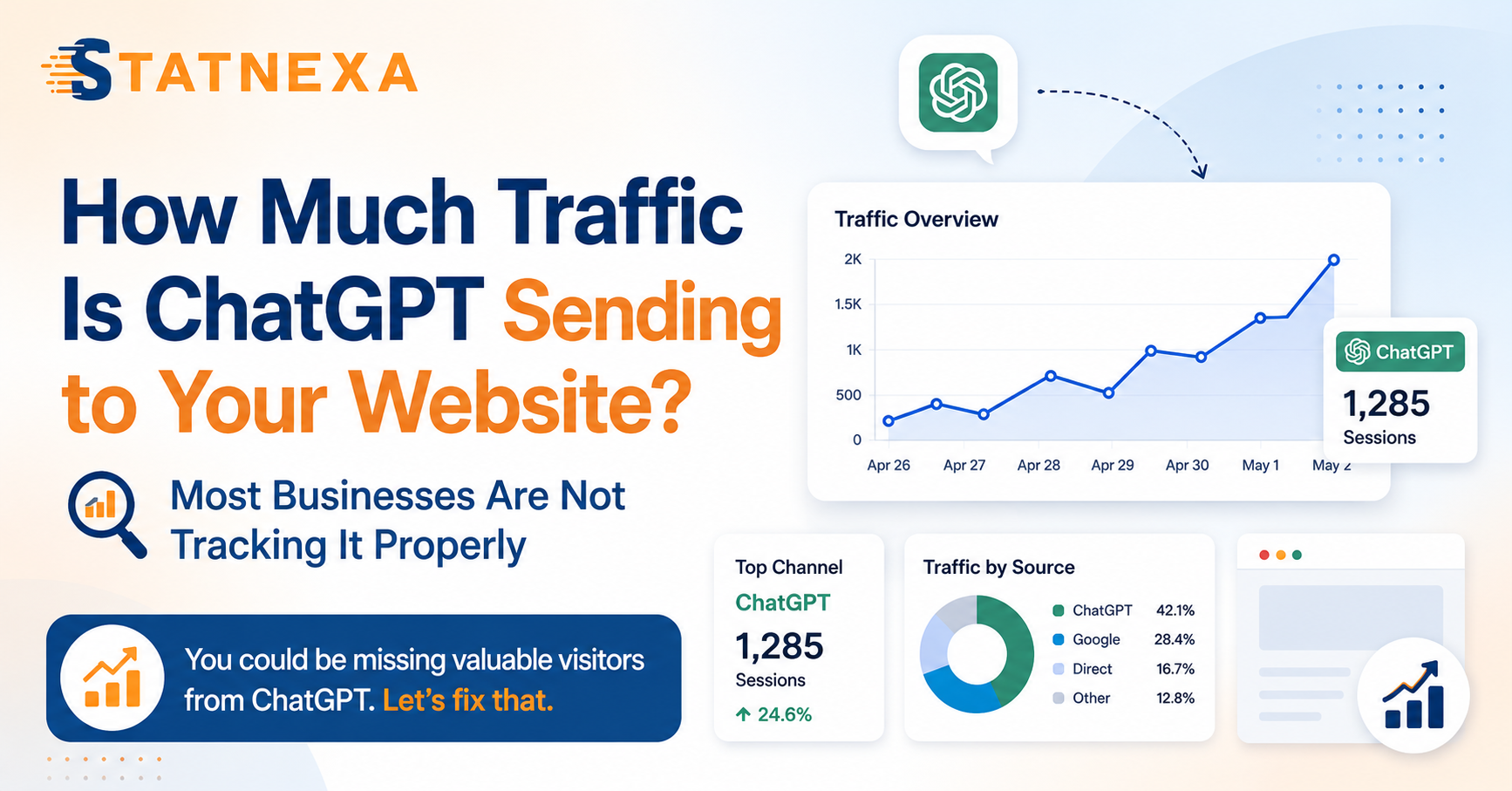
Most businesses have no idea how much traffic ChatGPT is actually sending to their website. This is where ChatGPT traffic tracking becomes essential.
Google Analytics 4 contains the data, but identifying ChatGPT traffic, monitoring daily growth, tracking conversions, and measuring revenue often requires manual filters and custom reporting.
That means many businesses are missing valuable insights about one of the fastest growing traffic channels online.
Why ChatGPT Traffic Is Different From Traditional Traffic
Not all traffic is equal.
A visitor coming from Google may still be researching.
A visitor coming from ChatGPT is often closer to making a decision.
Why?
Because ChatGPT users usually ask highly specific questions with strong intent.
For example:
“Best AI reporting software for agencies”
“Top dashboard tools for marketing clients”
“Best analytics platform alternative”
When users land on your website after an AI recommendation, they are often more engaged and more likely to convert.
This makes ChatGPT traffic incredibly valuable for:
• SaaS companies
• Agencies
• Ecommerce businesses
• SEO professionals
• B2B brands
• Marketing teams
The challenge is understanding what happens after that traffic arrives-and that starts with proper ChatGPT traffic tracking.
What Businesses Should Actually Measure From ChatGPT
Looking only at sessions is not enough.
Businesses need to understand whether ChatGPT visitors are engaging, converting, and generating revenue.
Sessions From ChatGPT
How many visitors are coming from ChatGPT daily?
Tracking sessions helps businesses identify:
• Traffic spikes
• Content visibility increases
• GEO performance growth
• AI recommendation trends
If sessions suddenly increase, it often means your brand or content is getting more visibility inside ChatGPT.
New Users From ChatGPT
Are AI platforms helping you reach new audiences?
Tracking new users helps businesses understand whether ChatGPT is introducing fresh visitors or simply bringing back existing users.
This metric is especially important for SaaS growth and brand awareness.
Event Count & Engagement
Traffic without engagement means very little.
Businesses should track:
• Clicks
• Form submissions
• Demo requests
• Scroll depth
• Product interactions
If ChatGPT users engage heavily, that usually signals strong purchase intent.
Conversions From ChatGPT
This is where things get interesting.
Businesses should ask:
Is ChatGPT actually generating leads or sales?
Tracking conversions helps marketers understand whether AI traffic turns into:
• Leads
• Signups
• Purchases
• Revenue
Without conversion tracking, businesses cannot measure the true value of ChatGPT traffic.
Revenue From ChatGPT
For ecommerce brands and SaaS companies, revenue tracking is essential.
Businesses should know:
• How much revenue comes from ChatGPT
• Which products convert best
• Which landing pages generate purchases
• Which content drives buying intent
This is where advanced ChatGPT traffic tracking helps marketing teams make smarter decisions.
The Biggest Missed Opportunity: Daily ChatGPT Reporting
Most companies only look at traffic weekly or monthly.
That is too slow.
ChatGPT visibility can change daily.
A blog post may suddenly start getting referenced.
A product page may receive increased recommendations.
A landing page could start converting because of AI visibility.
Businesses that track ChatGPT traffic daily can react faster and capitalize on opportunities earlier.
Daily monitoring helps answer questions like:
• Did ChatGPT traffic increase today?
• Which pages gained visibility?
• Did AI traffic generate conversions?
• Are purchases growing?
• Which content performed best?
This is exactly why ChatGPT traffic tracking on a daily level is becoming critical.
Why Statnexa Built the ChatGPT Daily Report Template
At Statnexa, we noticed that marketers, agencies, and SaaS teams were spending too much time manually creating AI traffic reports in Google Analytics 4.
Tracking ChatGPT traffic required:
• Custom filters
• Manual reports
• Complex GA4 exploration setups
• Spreadsheet exports
So we built a ready to use solution focused on simplifying ChatGPT traffic tracking.
The ChatGPT Daily Report Template helps businesses instantly track:
✅ Sessions from ChatGPT
✅ Total users & new users
✅ Daily ChatGPT traffic growth
✅ Event count & engagement
✅ Views and conversions
✅ Ecommerce purchases
✅ Purchase revenue
✅ Item revenue
✅ Session breakdown by URL
✅ Top referring AI sources
Instead of manually building dashboards, businesses can instantly see how ChatGPT contributes to traffic, engagement, and revenue.
The Future of Marketing Includes AI Traffic
AI powered discovery is growing fast.
Businesses that ignore ChatGPT traffic today risk missing one of the biggest shifts in digital marketing.
The companies winning tomorrow will be the ones measuring:
• AI visibility
• GEO performance
• ChatGPT conversions
• AI generated revenue
• Content performance from AI referrals
The question is no longer:
“Is ChatGPT sending traffic?”
The real question is:
“Are you tracking it properly?”
If not, the Statnexa ChatGPT Daily Report Template gives you a faster way to understand, measure, and grow AI driven traffic before your competitors do.